
5 Ways Humidity Damages Wood Furniture Inside Oakville Storage Units
Leaving expensive dining sets or antique dressers in cheap outdoor lockers is a fast way to ruin good craftsmanship. The crew at Oakville Moving & Storage LTD frequently sees the aftermath of improper storage when families unpack items that spent months sitting in unconditioned spaces. Moisture constantly shifts in standard units, creating an environment that forces natural materials to expand and contract until the joints finally fail.
Understanding how humidity damages wood furniture inside Oakville storage units is the first step in preserving your investments. Wood is highly porous and will constantly try to match the moisture level of the surrounding air. When you rent a unit, you need practical strategies to control that environment and protect your belongings from irreversible structural damage.
Inside This Guide:
- Tip #1: Regulate Temperature Swings
- Tip #2: Elevate Furniture Off Concrete
- Tip #3: Use Breathable Covers Not Plastic
- Tip #4: Treat Wood Before Wrapping
- Tip #5: Leave Air Gaps Around Large Pieces
- Frequently Asked Questions
Tip #1: Regulate Temperature Swings
Basic storage lockers act like ovens during the day and iceboxes at night. This rapid temperature cycling pulls moisture out of the air and deposits it directly onto your stored items.
- Climate Control: Upgrading to an indoor conditioned facility maintains a steady environment that stops extreme expansion.
- Unit Location: Renting a unit deep inside a building provides better natural insulation than an exterior unit facing the sun.
Tip #2: Elevate Furniture Off Concrete
Concrete floors are notorious for holding and transferring ground moisture directly into wooden legs. Even if the air feels dry, the bottom of your furniture will slowly wick dampness upward over time.
- Pallet Stacking: Using wooden pallets creates a crucial air gap between your valuables and the cold ground.
- Base Protection: Placing thick moving pads under heavy items adds an extra layer of moisture defense.
Tip #3: Use Breathable Covers Not Plastic
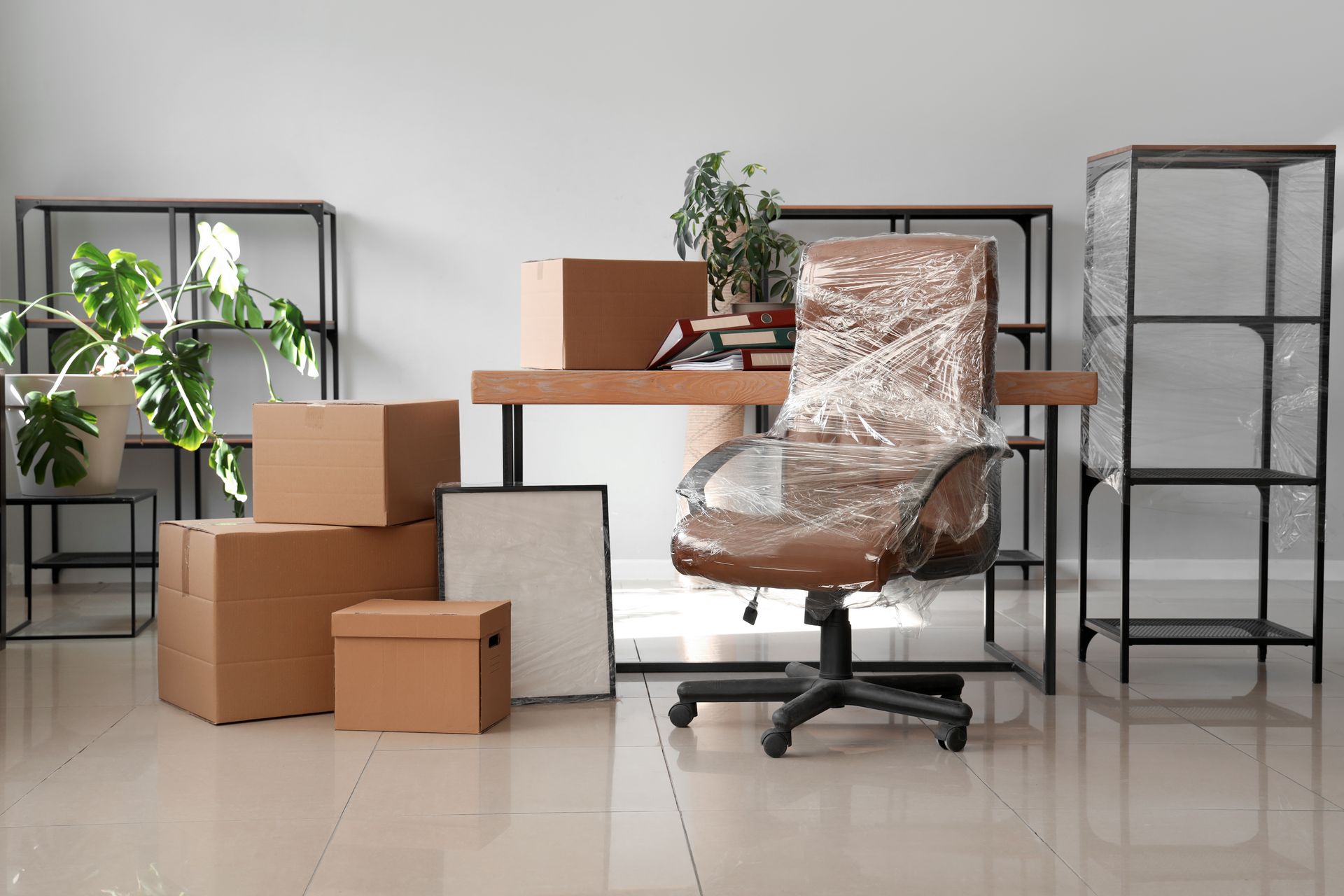
Wrapping a heavy oak desk in shrink wrap is one of the worst mistakes we see in the trade. Plastic completely traps existing moisture against the finish, causing the veneer to peel and promoting rapid mold growth.
- Cotton Blankets: Draping heavy cotton moving blankets allows the wood to breathe while keeping dust off the surface.
- Paper Padding: Wrapping fragile legs in specialized paper padding absorbs excess surface moisture naturally.
Tip #4: Treat Wood Before Wrapping
Dry wood is much more susceptible to absorbing airborne moisture than wood that has been properly maintained. Preparing the surface before you load the truck creates a barrier against changing environmental conditions.
- Oil Polishing: Wiping down surfaces with a quality furniture oil feeds the grain and repels excess moisture.
- Thorough Cleaning: Removing dirt and grease prevents organic matter from feeding mold spores in dark environments.
Tip #5: Leave Air Gaps Around Large Pieces
Shoving furniture tightly against the walls of a unit stops natural airflow and creates localized damp pockets. Stagnant air is the primary reason why the back panels of dressers begin to rot in long term storage.
- Wall Clearance: Leaving a clear gap of a few inches between your items and the facility walls promotes steady ventilation.
- Staggered Placement: Arranging large items in a staggered pattern ensures air circulates around every individual piece.
Frequently Asked Questions
Can fluctuating temperatures crack wood furniture?
Yes, the constant expansion and contraction stresses the natural glue joints and grain patterns. When the fibers swell with moisture and rapidly dry out, the tension causes physical splitting along the surface. Trade professionals know that keeping a stable temperature is the only way to prevent joint failure.
Do I need climate control for a few months of storage?
Short term storage still exposes your belongings to daily humidity shifts that can warp thin veneers. If you are storing high value items or antiques, a conditioned space is always the safest route. Even a brief period in a damp environment can dull varnishes and leave a permanent musty odor.
How should I wrap wood furniture for long term storage?
You should strictly avoid heavy plastic and stick to padded moving blankets secured with light packing tape. The tape should only touch the blanket fabric and never adhere directly to the wood finish. This setup protects against physical scratches during the residential moving process while allowing the piece to acclimate safely.
Securing Your Wood Pieces for the Long Haul
Properly maintaining your furniture requires an environment designed for preservation rather than just a cheap place to drop boxes. Taking the time to prep and pack your items correctly ensures they look exactly the same on move out day. Reach out to our facility team to discuss customized spacing options for your most valuable pieces.