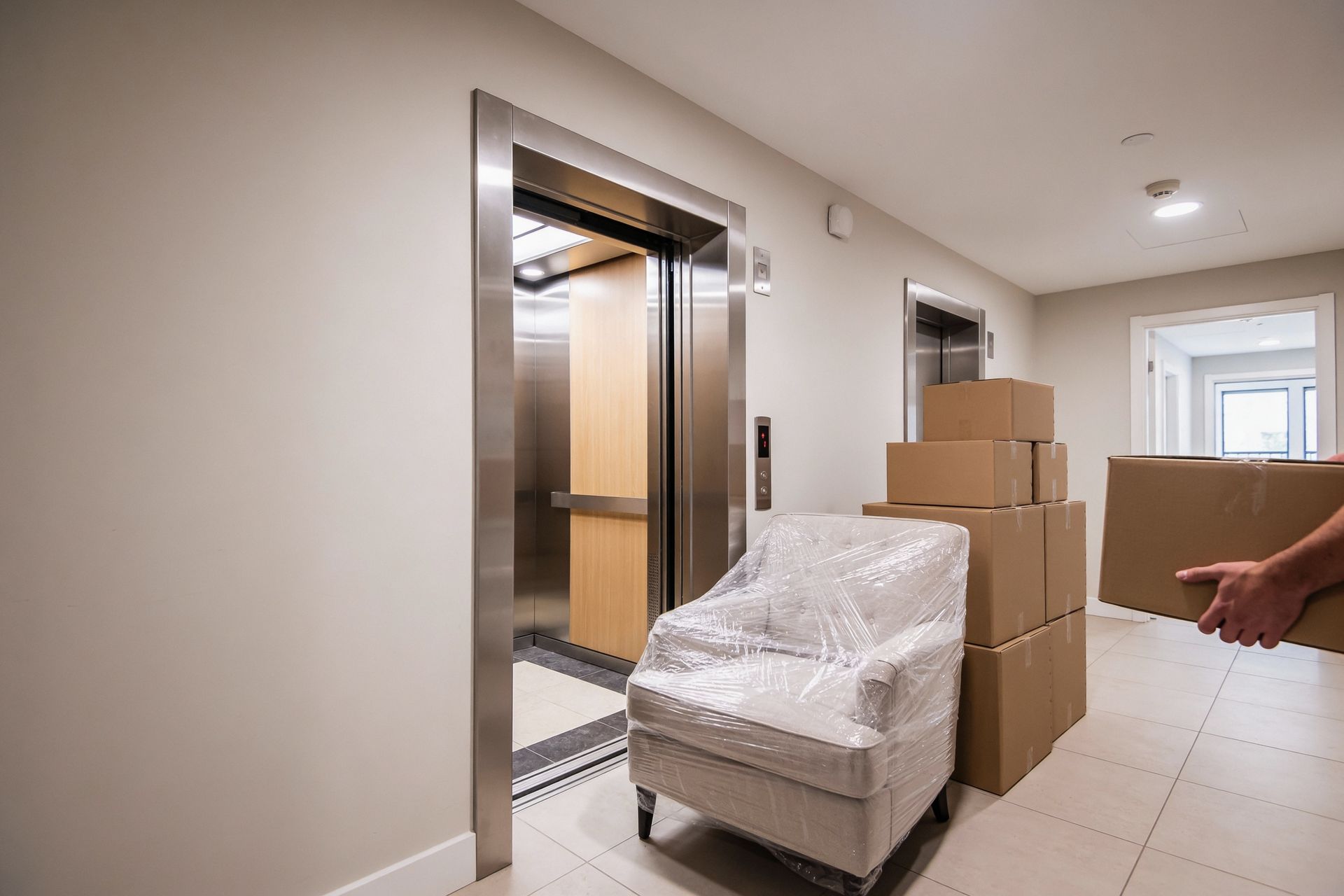
Preventing Box Collapse When Packing Heavy Items for a Regional Move
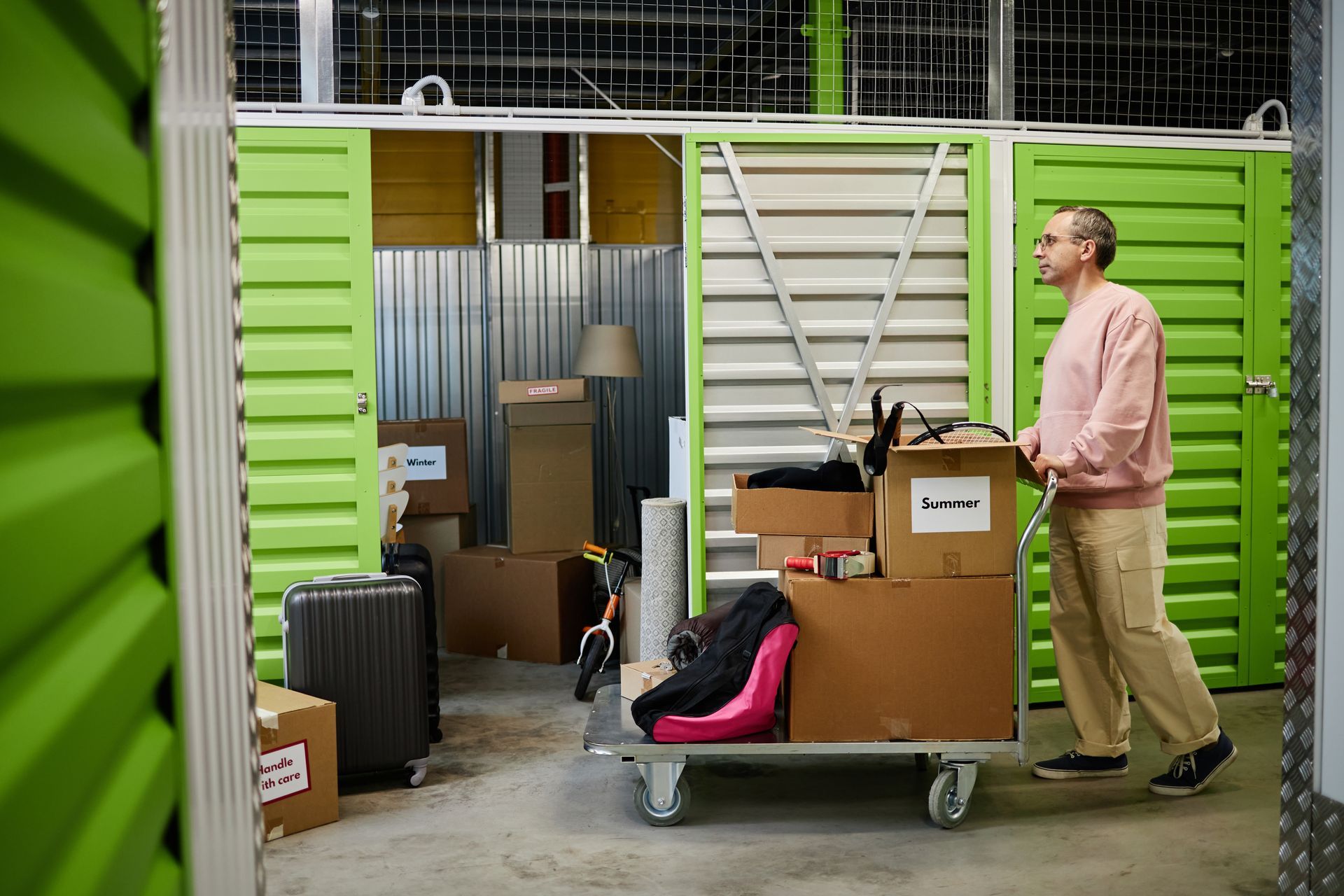
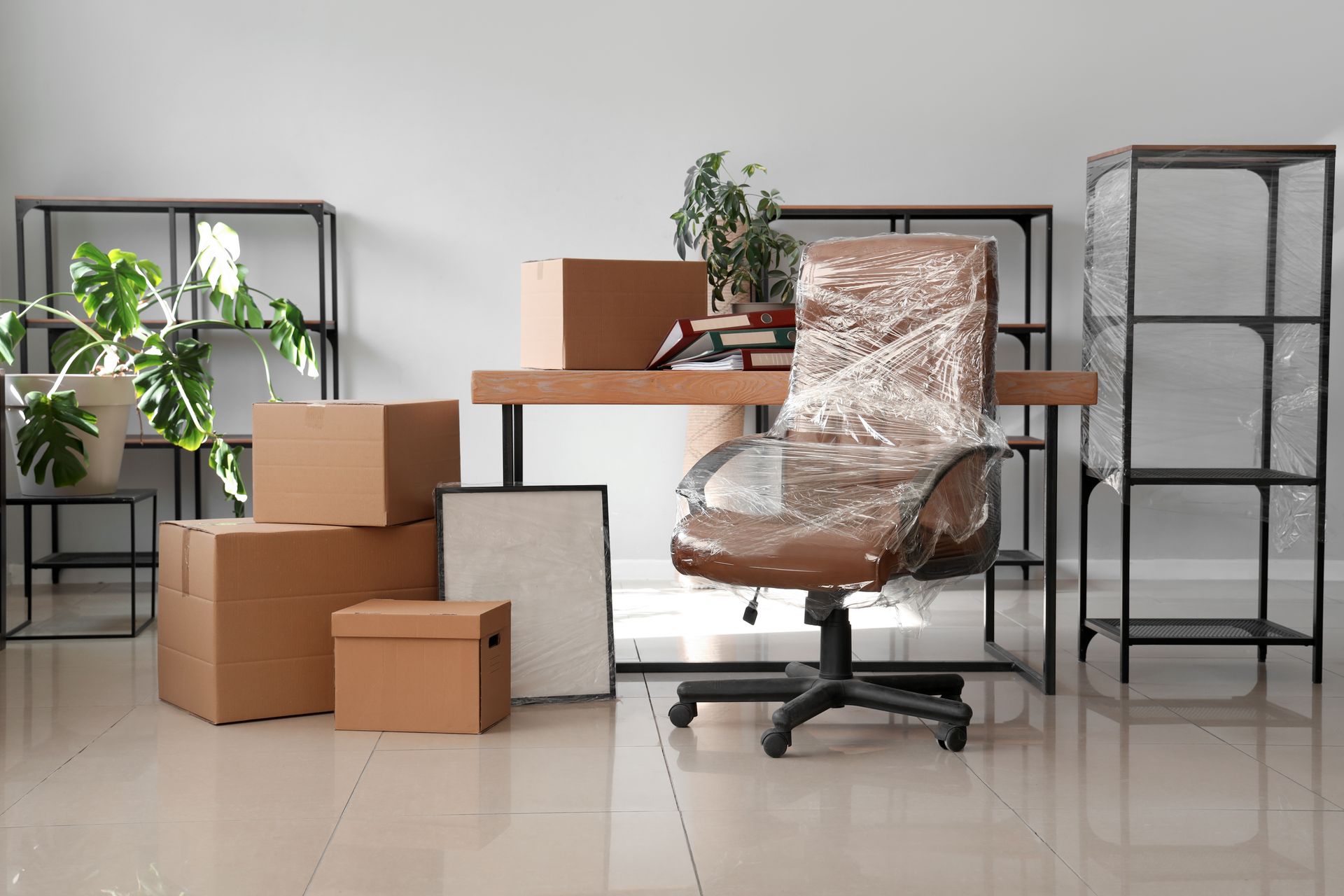
Prepping for a regional move involves packing your items into boxes well ahead of the actual moving day to avoid a last minute scramble. The experienced team at Oakville Moving & Storage LTD frequently notices that clients stack their packed belongings in garages or spare rooms for weeks prior to loading. If you do not actively maintain and inspect these temporary staging areas, the structural integrity of your moving supplies will fail before the truck even arrives. Packing early is smart, but treating your packed boxes as permanent storage inevitably leads to damaged property and immense frustration.
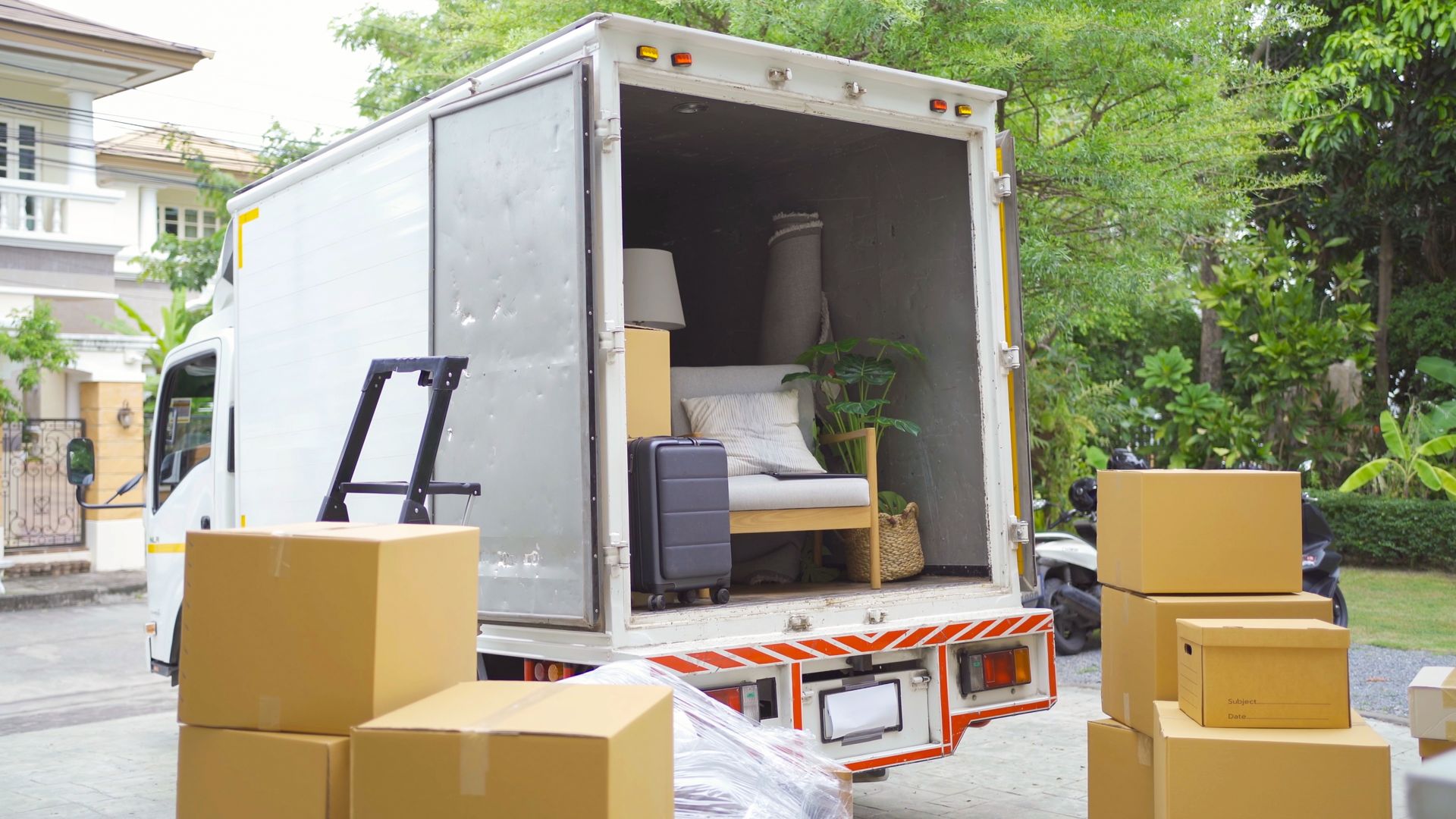
Preventing box collapse when packing heavy items for a regional move across Milton requires strict attention to weight limits and ongoing storage conditions. Standard corrugated cardboard is highly vulnerable to moisture, fluctuating temperatures, and uneven downward pressure over extended periods. Learning how to properly stack and protect your packed inventory ensures your fragile items survive both the long waiting period and the highway journey. Our goal is to help you maintain your moving supplies so your entire inventory remains perfectly intact.
What We Cover:
- Immediate Post Packing Stacking Protocols
- Common Mistakes That Destroy Box Integrity
- Recognizing Signs of Structural Failure
- Securing Your Packed Inventory
Immediate Post Packing Stacking Protocols
The moment you tape and seal a box, its structural lifespan begins to depend entirely on how you place it in your staging area. Creating a solid, perfectly balanced foundation prevents the bottom layers from buckling under the sustained weight of the items stacked above them over several weeks.
- Base Layer Construction: Always place the heaviest and most densely packed containers directly on the floor to securely anchor the entire stack and prevent shifting.
- Column Alignment: Stack your boxes strictly edge to edge so the rigid vertical corners carry the heavy downward pressure instead of the softer center panels.
- Height Restrictions: Never stack standard corrugated boxes higher than your chest level to prevent dangerous leaning and eventual tipping during the waiting period.
- Regular Repositioning: Periodically check your stacks every few days to ensure they have not started leaning naturally as the cardboard slowly settles.
Common Mistakes That Destroy Box Integrity
Homeowners often ruin their own packing efforts by completely ignoring the specific environmental factors inside their unconditioned homes. Protecting your investment in quality moving supplies means actively avoiding the simple maintenance errors that cause rigid materials to soften and fail.
- Direct Concrete Contact: Leaving cardboard resting directly on a cold garage floor allows the porous material to wick moisture upward and rot the bottom panels overnight.
- Mixing Box Sizes: Stacking small boxes underneath larger ones concentrates the upper weight onto a small surface area and instantly crushes the top flaps of the lower box.
- Tape Failure: Relying on cheap masking tape instead of heavy duty acrylic packing tape allows the bottom seams to slowly burst open when eventually lifted by the crew.
- Wall Leaning: Shoving stacks tightly against an exterior wall traps ambient moisture and prevents necessary air circulation, leading to rapid cardboard degradation.
► Cardboard loses up to fifty percent of its carrying strength when exposed to high humidity in unventilated garages for longer than two weeks.
Recognizing Signs of Structural Failure
You need to routinely inspect your staged items in the weeks leading up to your Milton relocation to catch problems early. Catching a weakened container allows you to safely repack the contents before a catastrophic failure happens in the hands of the moving crew on a busy morning.
- Creased Corners: Vertical folding lines appearing on the corners clearly indicate the box is currently holding more weight than its internal flute structure can support.
- Bulging Sidewalls: If the sides of the container are bowing outward, the items inside are shifting and pressing against the completely unsupported center panels.
- Soft Cardboard: A box that feels damp or flexible to the touch has absorbed ambient moisture from the air and must be replaced immediately to protect the contents.
Why do my packed moving boxes keep caving in under pressure?
Moving boxes typically cave in because they are packed with too much empty space inside the container. When a box is not filled to the absolute top with packing paper or solid items, the lid has zero internal support to handle the weight of the box resting directly above it. Trade professionals prevent this specific failure by filling every single void with crushed paper so the internal contents act as a solid support column.
Securing Your Packed Inventory
Monitoring your packed goods leading up to the final loading day is the only reliable way to prevent expensive breakages and ruined supplies. Staying exceptionally diligent about your stacking methods and environmental conditions guarantees that your belongings are fully prepared for safe transport. Contact our office today to learn more about our packing and organization services if you need expert assistance preparing your home.